
Business Interruption Insurance
Keep Your Business on Track after a Claim
What is Business Interruption Insurance?
All business owners should seriously consider having business interruption coverage form part of their commercial property policy. Property policies and Business Interruption coverage goes hand in hand. In the event of a claim – one follows the other.
Property policies cover direct physical damage to insured property (think: equipment, machinery, office furniture, etc.) as the result of an insured peril (e.g. a fire). Business interruption insurance provides coverage for the loss of income during downtime, and/or extra expenses a business takes on as a result of that direct physical loss to the insured property. That means a physical loss, resulting from an insured peril, must occur first in order for the business interruption coverage to apply.
Need more information?
What are the Types of Business Interruption Coverage?
Profits
This is the best form for larger manufacturing and restaurant/hospitality risks where sales may be affected even after the repair or replacement of damaged property is completed.
Gross Earnings
The important difference from Profits coverage is that once the repair of the property is complete the coverage stops. This can be a problem if additional time is needed to replace lost contracts and/or get revenues back to normal. In this instance a Profits form is superior.
Ordinary Payroll
In order to retain your valuable employees during a claim, you can choose to insure your Ordinary Payroll, up to a specified period of time (i.e. 90 days, 180 days). When you consider the time and costs involved in recruitment and selection, this fund could be invaluable.
Gross Rents
This is best suited for businesses that rent property to others with long term leases, especially multi-tenanted risks. Similar to a Profits form in that indemnity continues past restoration date (subject to Indemnity Period limitation).
Extra Expenses
Extra Expense Insurance helps keep your business running after a loss. It covers additional costs in excess of normal operating expenses, such as: renting and moving to a temporary location, buying or leasing equipment, and outsourcing products and/or services during the transition.
How Long Does Business Interruption Coverage Last?
Business interruption claims stop when one of the following happens:
- The property is repaired (in the case of Gross Earnings coverage) or the profit levels are back to normal (in the case of Profits coverage);
- The indemnity period is over (typically 12 months); or
- The coverage limit is reached
Whichever comes first – the insurance claim will end.
Obviously, the first outcome is most ideal. We want to avoid situations where the claim is over because either time ran out or the coverage limit turned out to not be adequate.
As mentioned above, the standard indemnity period for business interruption losses are 12 months. Businesses should consider if they need to extend that period in cases where it may be a more difficult or complex process to get back up and running. For example, if a business relies on a specific piece of machinery that is not readily available and/or is difficult to replace, then it may make sense to think about a longer indemnity period.
Indemnity periods can often times be extended to 18 or 24 months, but keep in mind that you’ll also want to increase your limit to account for the longer claim time.
How Much Business Interruption Coverage Should I Buy?
Business income coverage is: revenue, less variable operating expenses, adjusted for opening and closing inventories of stock and work in progress. In other words, the amount of coverage selected should be sufficient to cover costs that will continue during downtime (i.e. fixed costs) plus the profit level of the business.
To help determine an appropriate limit, you can also complete what’s known as a Profits Worksheet. This worksheet will use a company’s financial data to put together an estimated coverage limit, but there are a couple things to keep in mind:
- The coverage limit will assume a 12 month period, so if you’re extended your Indemnity Period (as discussed above), you’ll want to adjust your limit too!
- Don’t forget about the future growth of the business! It’s highly recommended that the limit chosen for insurance should come from the annual estimated business income for the year AFTER the policy term.
- Keep in mind that if a claim were to happen on the last day of the policy, that claim will be paying for the loss of income going into the following year
What are Business Interruption Coverage Extensions?
Interruptions in supply chains could be another possible cause of loss of income. Many commercial property policies include coverage for Contingent Business Interruption, protecting against losses arising from disruptions to an company’s supply chain (either suppliers or customers). Typically, coverage would only respond in the event that a supplier’s or customer’s location was damaged by an insured peril (i.e. a peril that is also covered on the insured’s own policy). Be sure to talk to your broker if your business works with key suppliers and/or customers – as their operation could significantly impact your own.
Commercial property policies may also include coverage for business interruption losses and extra expenses when access to the insured property is prevented by a government order, sometimes referred to as Civil Authority. Typically, physical damage to either the insured or neighbouring premises would need to have occurred, triggering the order. Wordings vary, and some require the physical damage be caused by an insured peril on the policy, while others are broader and may include viral contamination.
What are Business Interruption Coverage Exclusions?
As no insurance policy covers everything, Business Interruption will also have exclusions. For example, “virus” and “disease” are often excluded from most policies. Another common exclusion is: “loss of market, use or occupancy of the property”. Given these common exclusions, policy wordings will need to be carefully reviewed.
Need More Information on Business Interruption Insurance?
Get in touch with a Staebler Commercial Solutions Broker. Click below to get started today!
Get A Quote
Fill in the form and one of our brokers will contact you soon.
Business Interruption Insurance
Related Blog Posts

Staebler VP Anita Flootman Paterson featured in IIC Article
A newly introduced regulation on the storage and contained of per- and polyfluoroalkyl substances (PFAS or “forever chemicals”) is impacting the commercial insurance space. Ahead of the new reporting requirements taking effect on January 31, 2025, the Staebler Blog...
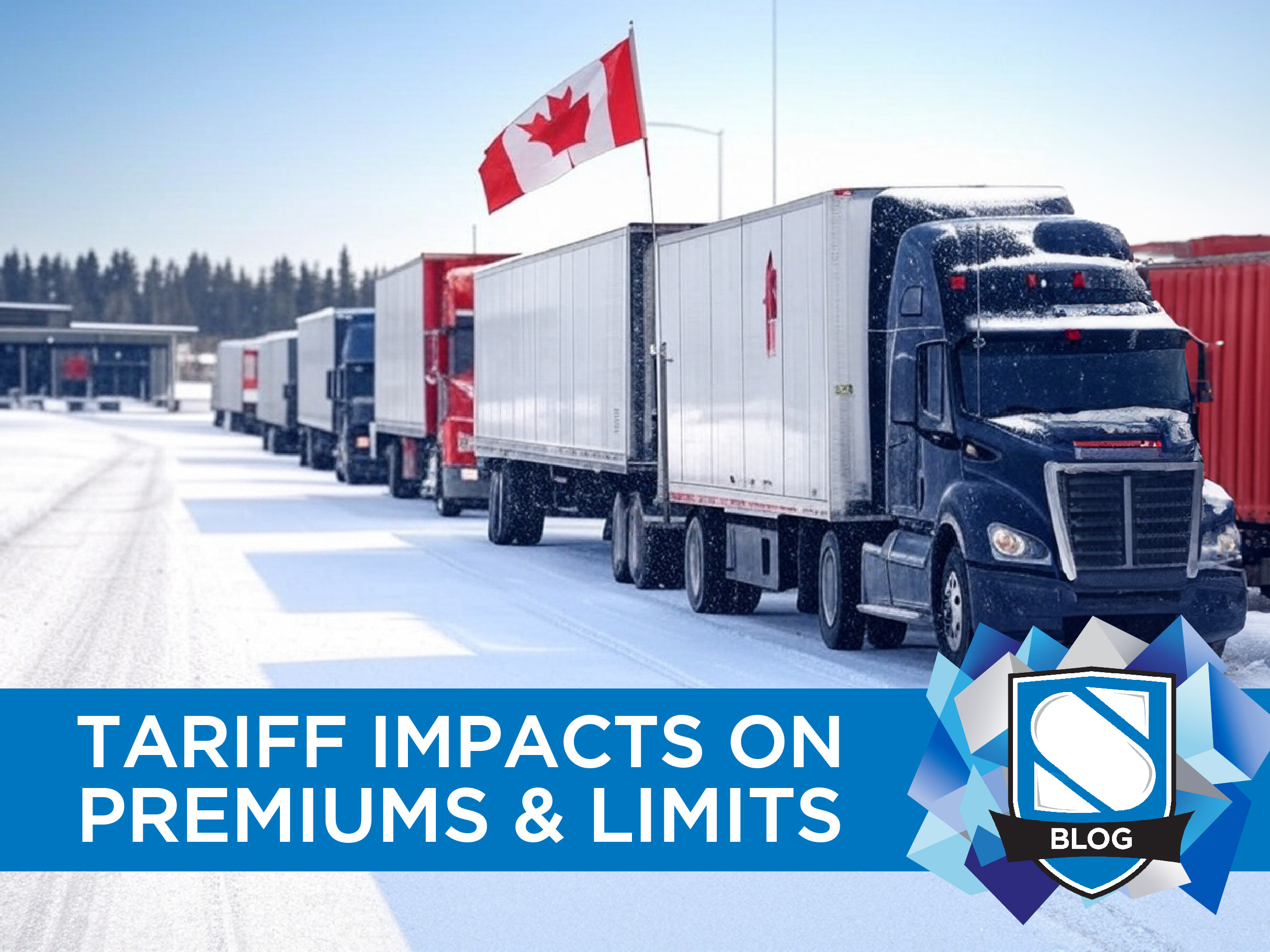
How U.S. Tariffs could impact your Insurance Premiums and Policy Limits
The introduction of widespread tariffs on Canadian goods and the retaliatory tariffs on products from the United States could have an impact on home, auto, and business insurance premiums, and add stress to policyholders’ coverage limits. Reported by Insurance...

Five Areas of Winter Maintenance for Commercial Properties
Winter brings challenges for commercial property owners, with snow, ice, and cold temperatures impacting not just the look of a property but also its safety, functionality, and structural integrity. Proper winter maintenance is essential to ensure that your property...
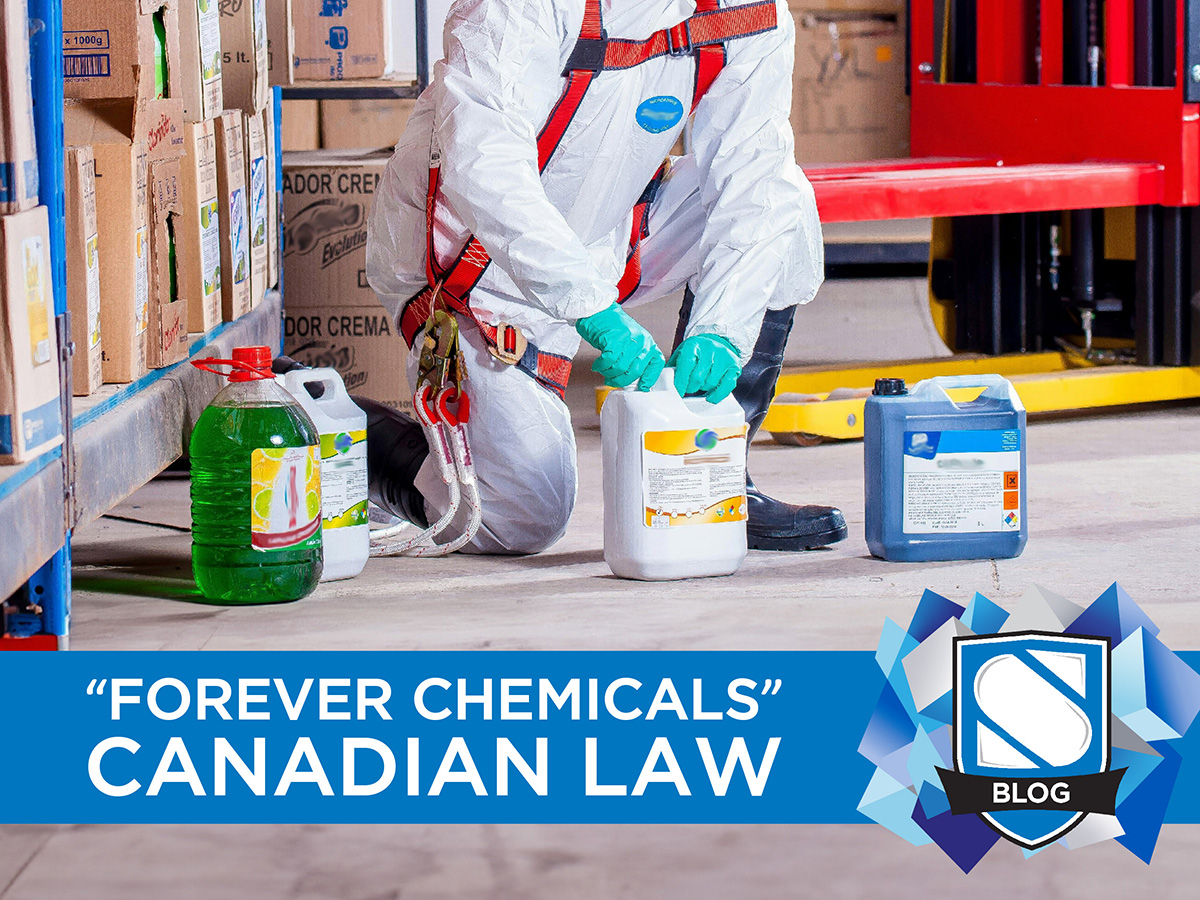
Canada’s “Forever Chemicals” Law Impacts Commercial Insurance
Starting in 2025, Canada will require businesses to report the presence of per- and polyfluoroalkyl substances (PFAS), known as "forever chemicals," in their supply chains. PFAS are persistent, toxic chemicals found in everyday products like non-stick cookware,...

Why AI is a Cyber Security Threat to Businesses
As artificial intelligence (AI) progresses and more businesses choose to use the technology, its impact on cybersecurity becomes even more prevalent. October is Cyber Security Awareness Month in Canada and we’re looking into this emerging threat that businesses and...

Construction Site Claim: A Minor Leak Can Lead to Major Damage
In construction, every detail matters. A construction company faced a significant water claim that highlighted the importance of oversight and risk management on job sites. What Happened? As the general contractor neared completion of a new two-story business...
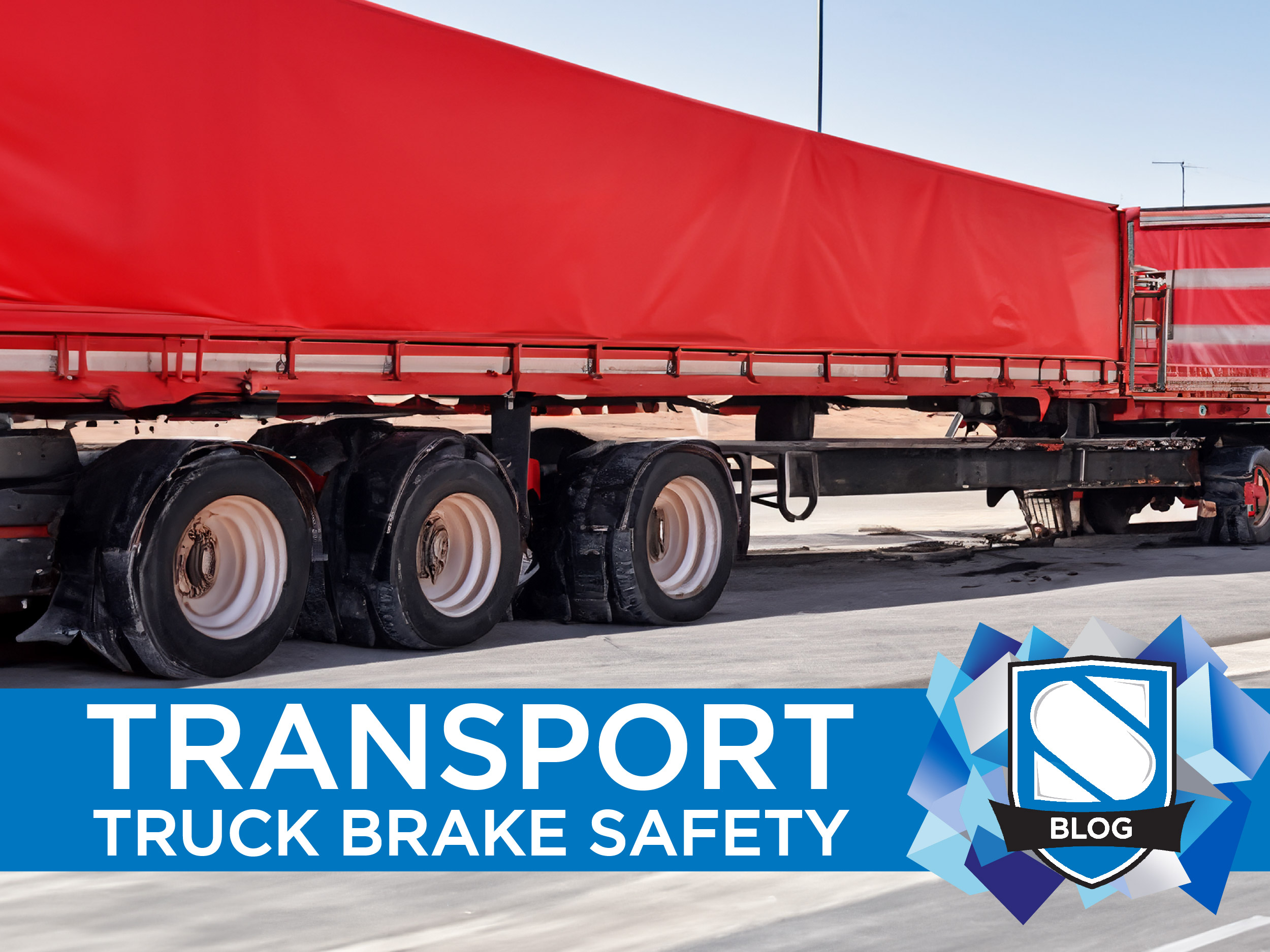
Transport Truck Trailer Brake Inspections: Critical Safety Measure
When it comes to hauling a 36,000-kilogram tractor-trailer down the road, the braking system is a major safety feature. The trailer's brakes, located more than 12 metres behind the driver, are crucial for stopping the entire rig safely. Ensuring these brakes are in...
Does Your Commercial Building Have a Fire Impairment Procedure?
For any commercial property management plan, ensuring the safety and security of occupants and assets is a top priority. One crucial aspect of this responsibility is having a comprehensive fire safety plan, including alarms and fire protection services like automatic...
Ontario Storm: Rainfall Claims and Basement Flooding Subsidies
Rapid rainfall over a short period last week led to disastrous conditions and flooding in many parts of southern Ontario, including Waterloo Region and the Greater Toronto Area. Insurance Claim Responses are Delayed In response, insurance companies have received...
Trucking Insurance: Navigating the Roads of Risk
The trucking industry serves as a lifeline of commerce – transporting goods across the continent with efficiency. However, each day presents an infinite number of risks that could disrupt operations and affect financial stability. In this ever-changing industry, a...

How do Insurance Policy Premium Payment Plans Work?
Setting up a new insurance policy can feel like a lot of work and at times a bit daunting. Using an insurance broker helps, but there are still things that can be confusing sometimes even if you’ve had insurance for years. Choosing between the various premium payment...
Cross-Border Trucking: CBSA’s Assessment and Revenue Management (CARM) Portal
The Canadian Border Services Agency (CBSA) is prepared to launch a new portal to streamline the commercial border process with the CBSA Assessment and Revenue Management (CARM) digital initiative. Scheduled for internal deployment at the CBSA in early May, followed by...