


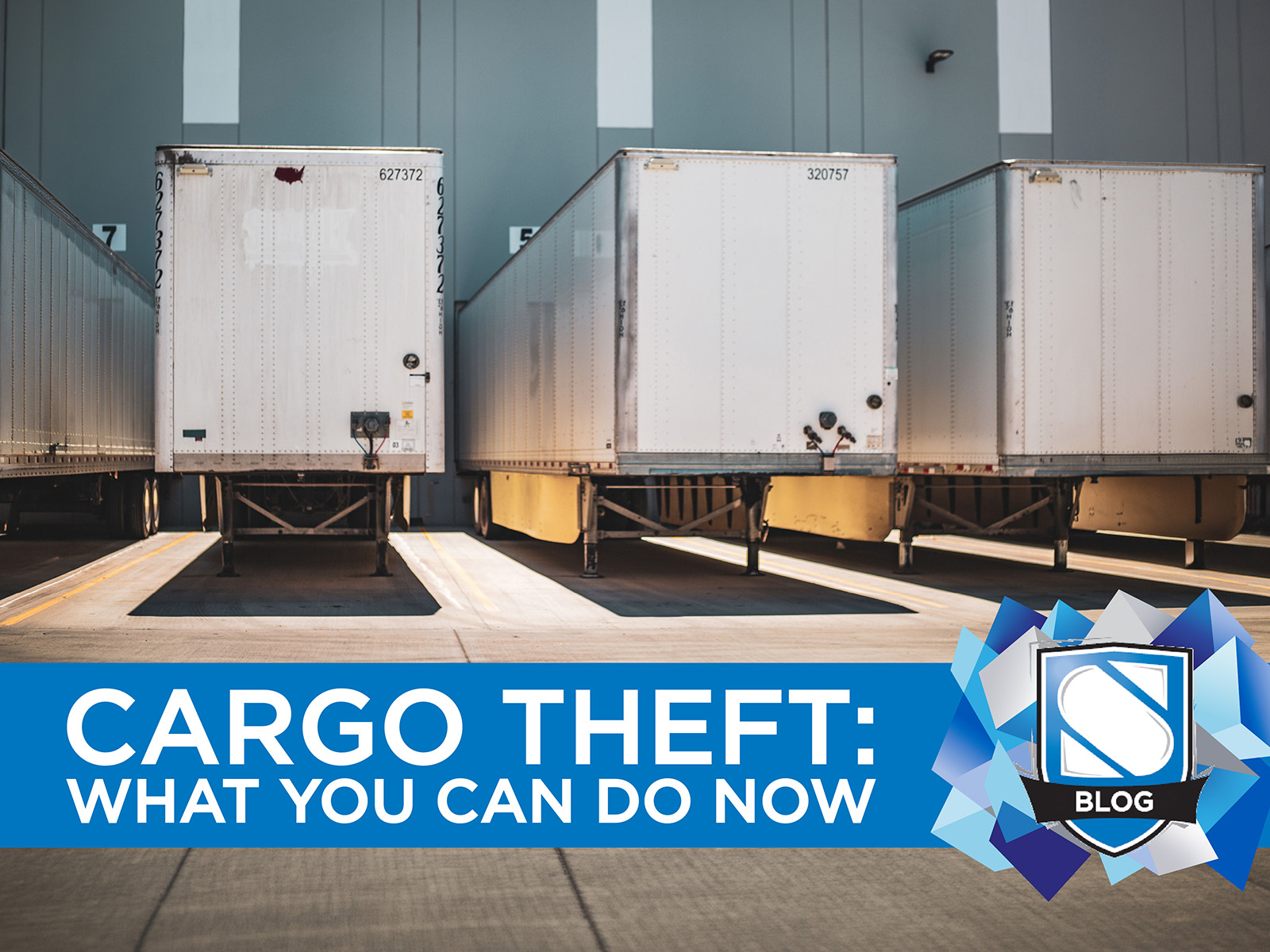
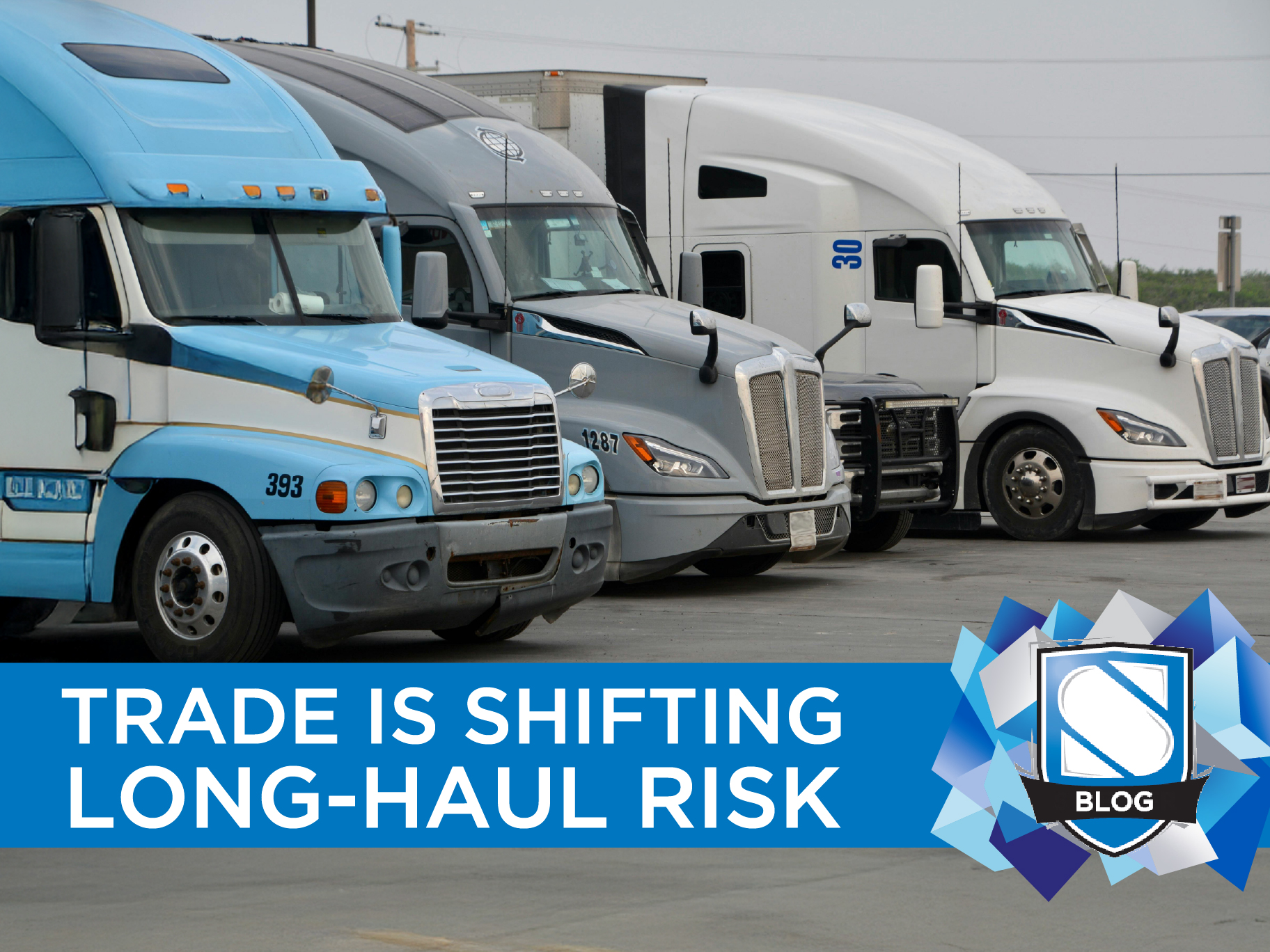
Cargo theft has become one of the most pressing risk issues for Canadian transportation and supply chain businesses. What once felt like an isolated security concern is now a more organized and faster-paced threat that can disrupt operations, increase insurance costs, and leave your company exposed if controls have not kept pace.
As theft evolves and recovery rates decline, insurers are placing greater emphasis on documented procedures, active tracking, surveillance, employee compliance, and documented proof that risk controls are being used in practice.
A rapidly changing environment raises questions: What’s new with cargo theft? What are the steps businesses can take to be proactive? What are the new expectations insurers are bringing to transportation risks?
Cargo Theft is on the Rise
Cargo theft is accelerating across Canada, and a recent article by Insurance Business Magazine highlighted the numbers are rising. The Équité Association, which maintains Canada’s cargo theft database, reports truck thefts rose from 591 to 984 in the first three quarters of 2025 compared with the same period in 2024, while trailer thefts increased from 383 to 638. Ontario remained a major hotspot, with about 1,601 thefts recorded in 2025 with most occurring in Peel Region and throughout the Greater Toronto Area.
The financial impact is increasing as recovery is becoming more difficult. Équité reported that Canada’s national cargo recovery rate fell from 13% in 2024 to 9% in 2025, while trailer recovery dropped from 64% to 44%, a sign of how quickly stolen goods can be moved through organized networks.
In North America, it’s estimated cargo theft losses were nearly $725 million in 2025, up 60% (Verisk CargoNet), with the average theft value climbing 36% to $273,990. For businesses and insurers, that means loss prevention controls that worked in the past may no longer be enough.
Securing Your Transport Truck
According to an insurance company partner, Northbridge Insurance, there are a number of best practices to secure your transport truck:
- Choose a secure parking location. Whenever possible, use a garage, company yard, attended lot, or controlled-access site with good lighting, cameras, fencing, or regular patrols.
- Lock the truck carefully and remove all keys. Before leaving, check doors, windows, side compartments, storage areas, and other access points to make sure everything is fully closed and secured.
- Keep the cab clear of valuables and visible equipment. Even small items can encourage a break-in, so remove anything that could make the vehicle look like a target.
- Use layered anti-theft protection, such as alarms, steering wheel locks, immobilizers, fuel-cap locks, high-quality trailer locks, and king pin locks. The goal is to make the truck or trailer harder and slower to steal.
- Track tractors, trailers, and high-value cargo with GPS whenever possible. Real-time location tools can improve response time, support recovery, and show insurers that loss prevention controls are active.
Avoid Your Trailer Being the Next Target
Avoid leaving loaded trailers unattended, especially for extended periods. If a truck must be parked, remove cargo where practical and make sure someone can check regularly on the vehicle.
Theft prevention starts with secure habits: use well-lit controlled-access parking, position trailers to limit rear-door access, and combine strong locks, seals, immobilizers, and GPS tracking with route monitoring.
Driver training and fraud prevention are equally important. Teams should avoid sharing cargo details publicly, recognize suspicious activity, verify broker, carrier, driver, and pickup information through trusted contacts, and document procedures so insurers can see that controls are consistently used.
What Insurers are Now Requiring
Highlighted by a recent report in Insurance Business, insurers are tightening their review of transportation risks as cargo theft claims rise. Carriers are increasingly expected to show documented security procedures, active tracking, video surveillance, employee and subcontractor compliance, and evidence that risk controls are actually being used.
The key message is that simply having technology or policies is no longer enough. Insurers want proof that monitoring tools and formalized procedures are understood, reviewed, and applied consistently, especially for high-value cargo.
To get a review of your risk management processes, loss prevention tools, or to have a second look at your insurance solutions, connect with a Staebler Insurance Broker at Staebler.com/Trucking
. . .
Staebler Insurance is a general insurance broker specializing in car insurance, home insurance, small business insurance, and commercial insurance. Staebler Insurance Brokers proudly serve Kitchener, Waterloo, Cambridge, Guelph, Stratford, Listowel, Fergus, Elora, Wellington County, Perth County, Waterloo Region, the Greater Toronto Area, Golden Horseshoe, Niagara Region, and all over beautiful Ontario, Canada. 🍁 Get a Quote to get started today.





0 Comments