



Accurate property valuation has always been an important piece of insurance coverage but in a rapidly shifting economic and environmental landscape, insurance to value (ITV) has become an even more important issue for both personal and commercial property owners.
Some insurance companies report a growing concern of properties potentially being underinsured during a period of high inflation.
Underinsurance is becoming more common, leaving property owners exposed at claim time — the very moment they expect protection. Understanding why ITV matters, how valuations should be done, and what brokers can do to help clients stay adequately covered is essential in navigating today’s property risk.
Why the Concern with Underinsurance
A growing number of commercial and personal properties are considered underinsured due to outdated valuations and escalating rebuilding costs. When the insured value of a property doesn’t reflect the true cost to repair or replace it, property owners could face large out‑of‑pocket expenses following an insured loss.
Over the last five years, inflation alone has driven residential property costs up by as much as 25%, creating a widening gap between policy limits and the actual reconstruction costs.
At the same time, severe weather events and major property claims in 2024 further exposed insurance-to-value gaps.
As a result, insurers and brokers are increasingly recommending that replacement cost estimates are reviewed and updated more frequently, incorporating the most current reconstruction data available.
Why Are Property Values Rising?
A recent Canadian Underwriter article shared several factors continue to increase property values and reconstruction costs:
- Inflation
- Tariffs on imported building materials
- Supply chain disruptions, impacting material availability and pricing
- Extended rebuild timelines, driven by higher demand and specialty materials
- Labour shortages, especially in the skilled trades
- These pressures make previously used insured values increasingly inaccurate. Without timely updates, insured limits quickly fall behind real costs.
What is Co‑insurance?
Co‑insurance functions similarly to a deductible in property insurance policies and is meant to discourage underinsuring a risk. The idea is that if a risk is underinsured, then the policyholder will need to pay a portion of any loss out-of-pocket.
Co-insurance means that insurers share a portion of the risk with policyholders — the insurer and the insured essentially become co-insurers of the property. For example, if a property is insured below a specified percentage of its true replacement value, e.g. 80%, 90%, or 100%, then the policyholder may face paying a portion of the loss during a claim.
In a case of a total loss, the case is simple. If a building costs $800,000 to rebuild, but the policy limit is only $400,000, then the insurance company is only going to pay up to the limit on the policy, leaving the policyholder to come up with the remaining $400,000. In this case, the insurer and the policyholder have both become co-insurers of the property, each paying 50% of the loss or $400,000 each.
Keep in mind, co-insurance can also be relevant in partial loss cases. This means that a partial loss could result in a payout significantly below the expected amount, if the property is not insured to value. An insured may mistakenly believe they’re covered for an entire loss as long as the claim in below the policy limit. For example, a building that should be insured for $1 million but only has a $700,000 limit, the insurer will only pay 70% even if the claim falls below the policy’s limit (e.g. a $100,000 claim will only be paid $70,000 leaving the property owner responsible for the remaining $30,000).
Understanding co‑insurance is key to understanding why accurate valuations and properly limits matter.
How to Obtain a Proper Property Valuation
Modern property valuations have evolved beyond previously used methods.
Advanced Techniques
New tools such as aerial imagery, streetscape photography, and location‑based data allow insurers to assess exposures with greater precision. These methods can show details into roof condition, building materials, surrounding hazards, property dimensions, and other risk factors that affect valuation.
Onsite Inspections and Appraisals
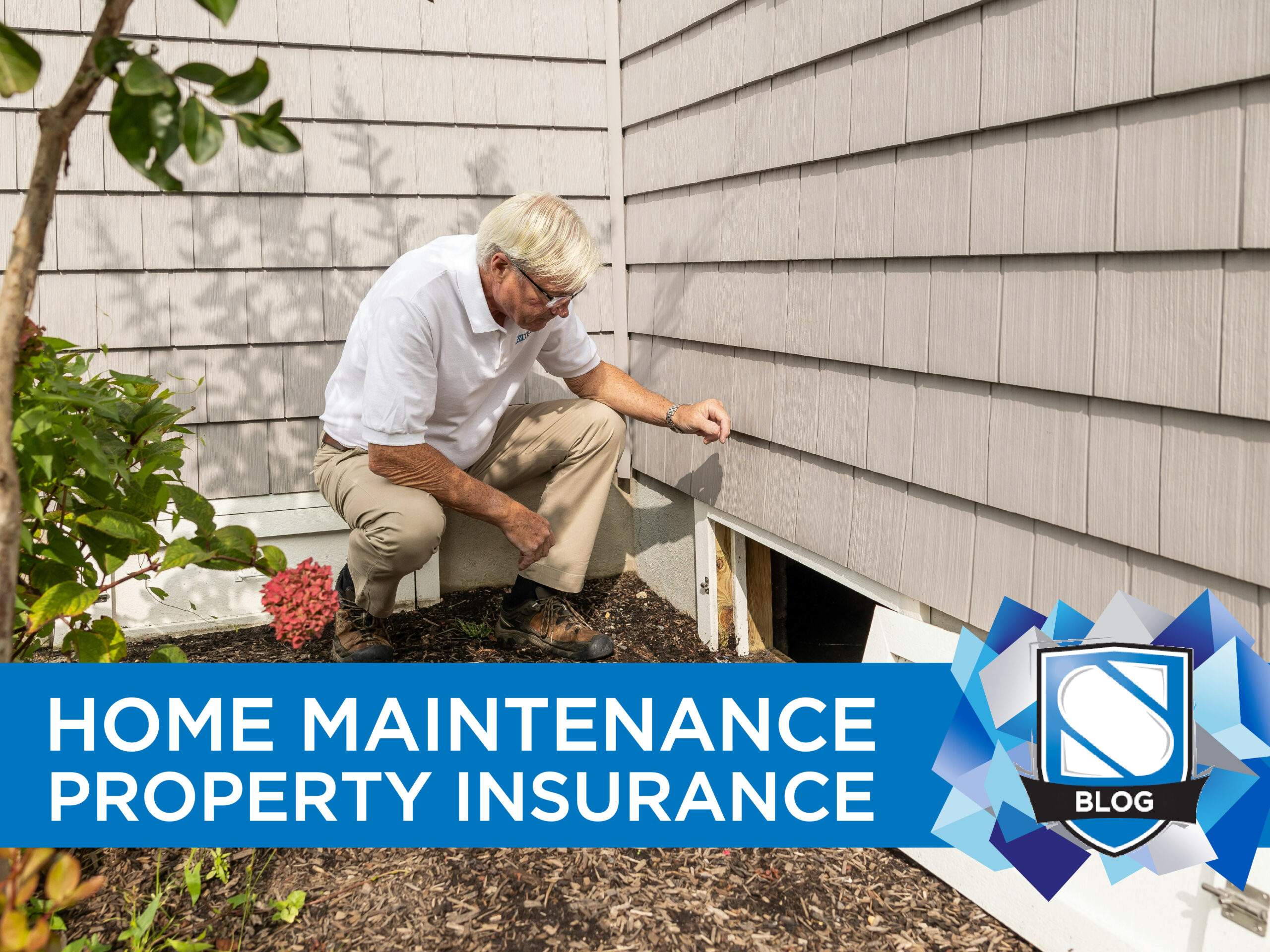
Onsite inspections and professional appraisals remain essential. In‑person evaluations can discover hidden exposures — think outdated electrical systems, structural weaknesses, and occupancy changes — that are not visible in virtual inspections.
Combining techniques can create a comprehensive valuation approach that reflects true rebuild costs and avoids the potential of underinsurance.
The Broker’s Role in Ensuring Accurate Coverage
With rebuild costs rising and claim complexity increasing, insurance brokers play an important role in guiding clients.
It is ultimately the responsibility of the insured to decide its property valuation. Some ways to find an accurate amount, include using a property appraiser for an insurance valuation (e.g. Otto & Company) and working through an inventory spreadsheet (Insurance Bureau of Canada) to account for contents replacement.
In addition, Staebler Insurance Brokers can help policyholders with:
- Aligning builders’ risk, delay in start‑up, and indemnity periods with longer rebuild timelines and escalating labour and material costs
- Ensuring policies include extensions or contingencies that account for delays or increased reconstruction costs
- Working with insurers to make sure valuations are updated using current data, reducing co‑insurance penalties, and coverage gaps
By ensuring policies have accurate and up to date rebuild costs, Staebler Brokers can help protect clients from being under insured.
Insurance to value isn’t just a requirement, it’s a financial safeguard. As rebuilding becomes more expensive and claims become more complex, accurate valuations are essential for ensuring property owners receive the coverage they expect when they need it.
. . .
Staebler Insurance is a general insurance broker specializing in car insurance, home insurance, small business insurance, and commercial insurance. Staebler Insurance Brokers proudly serve Kitchener, Waterloo, Cambridge, Guelph, Stratford, Listowel, Fergus, Elora, Wellington County, Perth County, Waterloo Region, the Greater Toronto Area, Golden Horseshoe, Niagara Region, and all over beautiful Ontario, Canada. 🍁 Get a Quote to get started today.







0 Comments