


Adapted from the Private Motor Carrier magazine, Risk Management issue.
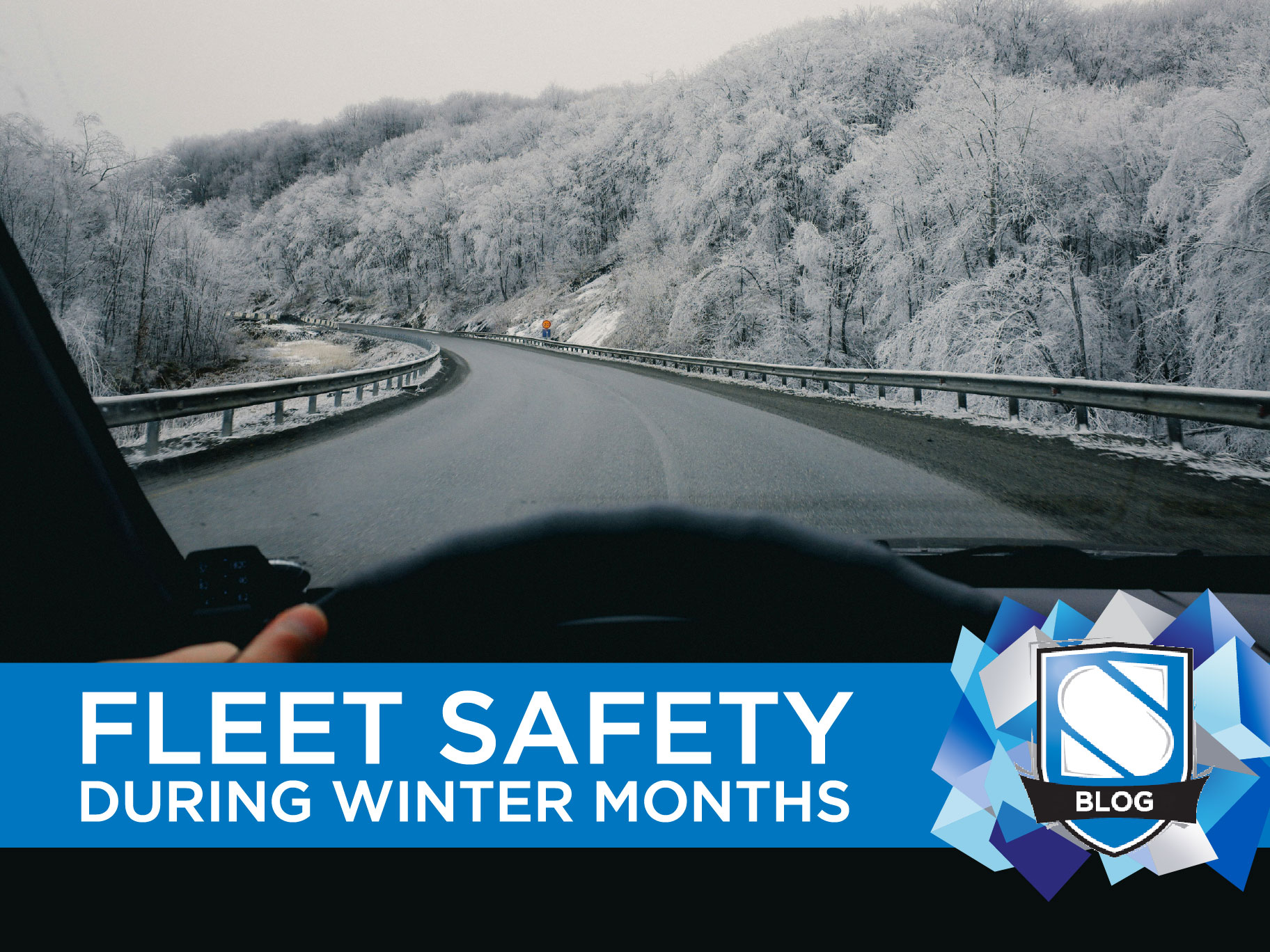
Winter conditions in Canada and the United States bring with them unpredictable snow, ice, and extreme cold and can pose significant risks to trucking operations in the form of reduced visibility, slippery roads, and vehicle breakdowns.
Based on the industry’s best practices and advice from insurance experts, here are some key considerations for fleets to reduce these risks:
1. Enhanced Vehicle Maintenance and Pre-Trip Inspections
Proactive vehicle maintenance isn’t just a best practice, it’s a frontline defence against the increased hazards of winter driving. Cold weather can wreak havoc on mechanical systems, accelerating wear and tear while increasing the likelihood of breakdowns, accidents, and potential downtime.
Freezing temperatures can cause fluids to thicken, batteries to lose efficiency, and rubber components like tires and seals to become brittle, all of which elevate operational risks.
Amping Up Preventative Maintenance:
To mitigate these threats, fleets should increase preventative maintenance schedules beyond standard intervals. These include:
- Shortening the timeline for oil changes to ensure lubricants remain effective in sub-zero conditions
- Conducting thorough battery tests and replacements as needed (since cold snaps can reduce battery life by up to 50%)
- Prioritizing brake inspections to counteract the reduced stopping power on icy surfaces
- Making fluid top-ups routine, including antifreeze, windshield washer fluid rated for low temperatures, and transmission fluids – to prevent freezing or corrosion that could lead to system failures
Equally important are daily pre-trip inspections, which serve as checkpoints for identifying issues before they escalate into emergencies.
Drivers should be trained to methodically check key components around the entire outside and inside of the truck.
Key Inspection Focus Areas:
- Tire Tread and Pressure: Check tire tread depth, aiming for at least 4/32 inches for adequate traction on snow-covered roads, while inflating tires to manufacturer and vehicle specifications to avoid underinflation caused by cold air.
- Brakes: Listen for unusual noises, feel for vibrations, and visually inspect pads and rotors for wear.
- Fluid Levels: Verify levels of engine oil, coolant, and brake fluid to guard against leaks or evaporation in harsh conditions.
- Batteries: Clean terminals and test voltage to ensure reliable starts, as batteries are often the weakest link in winter.
- De-Icing: Clear all snow, ice, and frost from windows, mirrors, lights, and sensors to preserve visibility and prevent aerodynamic drag or sensor malfunctions in advanced driver-assistance systems (ADAS).
By embedding these enhanced protocols into your fleet’s risk management strategy, perhaps through digital checklists, adapted training programs, and telematics monitoring, you not only comply with regulatory standards but also significantly reduce incident rates, insurance claims, and unplanned repair costs.
2. Driver Training and Safe Driving Practices
Driving in wintry conditions can transform familiar roads into high-risk environments. Ice, snow, slush, and reduced visibility increases stopping distances and the potential for loss of control. Generic driver training is no longer sufficient, and fleets should deliver targeted, hands-on winter driving programs to equip drivers with the skills and mindset needed to stay safe.
Core Winter Driving Techniques include:
• Speed Management: Train drivers to proactively reduce speed well below posted limits, even on “clear” roads. Black ice and packed snow can appear without warning, and every 10 km/h reduction in speed can cut stopping distance by 50% or more on slippery surfaces.
• Smooth Inputs: Reinforce gentle acceleration, braking, and steering. Sudden movements are the primary trigger for skids in low-traction conditions.
• Increased Following Distance: Extend the standard 3–4 second rule to 8–10 seconds or more. This provides critical reaction time when the vehicle ahead brakes or spins out, dramatically lowering rear-end collision risk.
• Skid Prevention and Recovery Training: Conduct practical skid-pad or simulator sessions to teach drivers how to recognize the onset of a skid and the correct recovery technique: steer in the direction you want the vehicle to go (“steer into the skid”) while easing off the accelerator and avoiding hard braking.
Modern ABS and stability-control systems help but cannot fully overcome physics. Keep in mind, prevention through smooth driving remains the best defence.
• Specialized Situations to Cover: Hill Parking and Starting: Teach drivers never to park facing downhill without turning wheels to the curb, using parking brakes fully, and leaving the vehicle in gear (or Park with an automatic + wheel chocks when available). Train low-gear or gentle throttle starts when moving uphill on ice.
• Combating Glare: Educate drivers on the blinding effect of low-angle winter sun reflecting off snow. Consider polarized sunglasses, along with keeping windshields spotless inside and out.
STAEBLER SUGGESTS: Mark your calendar to implement refresher training every fall before the first snowfall. Use telematics data to identify drivers who frequently trigger harsh braking, rapid acceleration, or cornering alerts and provide one-on-one coaching. Incorporate winter-specific scenarios into regular safety meetings.
3. Emergency Preparedness and Equipment
In severe winter weather, a minor mechanical issue or road closure can turn into hours or even days of being trapped in a vehicle. Remote highways, blizzard whiteouts, and extreme cold (common across Canada and northern US) have led to real cases of drivers facing hypothermia or worse. Proper emergency preparedness isn’t optional, it’s a fundamental duty of care for fleets operating in winter conditions.
Essential Winter Emergency Kit Contents (per vehicle):
- Traction Aids: Tire chains or automatic snow socks (properly sized for the vehicle), plus training on how to install them quickly
- Cold-weather Survival Gear: High-quality sleeping bag or wool blankets (rated to -30°C or lower), hand/foot warmers, extra winter clothing (hat, gloves, boots), and reflective thermal blanket
- Food and Water: Minimum three-day supply of non-perishable, high-calorie food (energy bars, nuts) and bottled water (stored to prevent freezing or kept in insulated container)
- Safety and Signalling: LED flares or reflective triangles, high-visibility vest, whistle, headlamp with extra batteries, portable phone charger/power banks and a bright-coloured distress flag
- Tools and Essentials: Shovel, ice scraper and snow brush, tow strap, jumper cables, duct tape, and basic first aid kit with hypothermia specific items (e.g., instant heat packs)
- Optional but highly recommended: a small camp stove with fuel, candle lantern for warmth, and a metal container for melting snow if needed
In addition to having emergency roadside kits ready for every truck, weather monitoring and route planning is equally important. Be prepared to anticipate delays from snow, ice, or closures, and proactively plan alternative routes that avoid high-risk areas prone to heavy snowfall or icy conditions. This includes adjusting for fuel efficiency, as cold weather can increase consumption.
- Use real-time weather monitoring tools integrated with dispatch to reroute or hold loads
- Install storm disruption protocols: Consider a “no-go” policy when Environment Canada issues blizzard warnings or extreme cold warnings (-35°C or colder with wind chill)
- Establish check-in schedules (every 1–2 hours) during severe events and have an emergency call tree
- Pre-position spare drivers or relief vehicles at strategic locations during forecasted major storms
- Know how to call for help. Have all drivers carry a list of regional emergency numbers, use CB radio (if equipped), or activate satellite communicator in poor signal areas
STAEBLER SUGGESTS: Ensure your fleet is doing regular inspections and restocking of supplies. Assign supervisors or safety officers to audit every vehicle’s winter kit in October and again in January. Replace expired food/water and test all battery-powered devices monthly. Issue personal winter survival packs to drivers who live in their trucks.
The Safety Payoff for Fleets
Fleets that treat emergency preparedness seriously can reduce both the likelihood and severity of winter incidents. Drivers feel supported and confident, regulators see evidence of due diligence, and most critically, you can eliminate the nightmare scenario of an otherwise avoidable claim event due to the cold because the fleet wasn’t ready.
Remember to stay compliant with regional regulations, such as tire chain laws in certain provinces and US states and winter tire requirements to address broader risks like cross-border rules in a constantly changing regulatory environment.
If you have any fleet-related questions or need a refresh of your risk management plan, reach out to a Trucking Insurance expert at Staebler Insurance. Visit Staebler.com/Trucking to get started.
. . .
Staebler Insurance is a general insurance broker specializing in car insurance, home insurance, small business insurance, and commercial insurance. Staebler Insurance Brokers proudly serve Kitchener, Waterloo, Cambridge, Guelph, Stratford, Listowel, Fergus, Elora, Wellington County, Perth County, Waterloo Region, the Greater Toronto Area, Golden Horseshoe, Niagara Region, and all over beautiful Ontario, Canada. Get a Quote to get started today.








0 Comments