


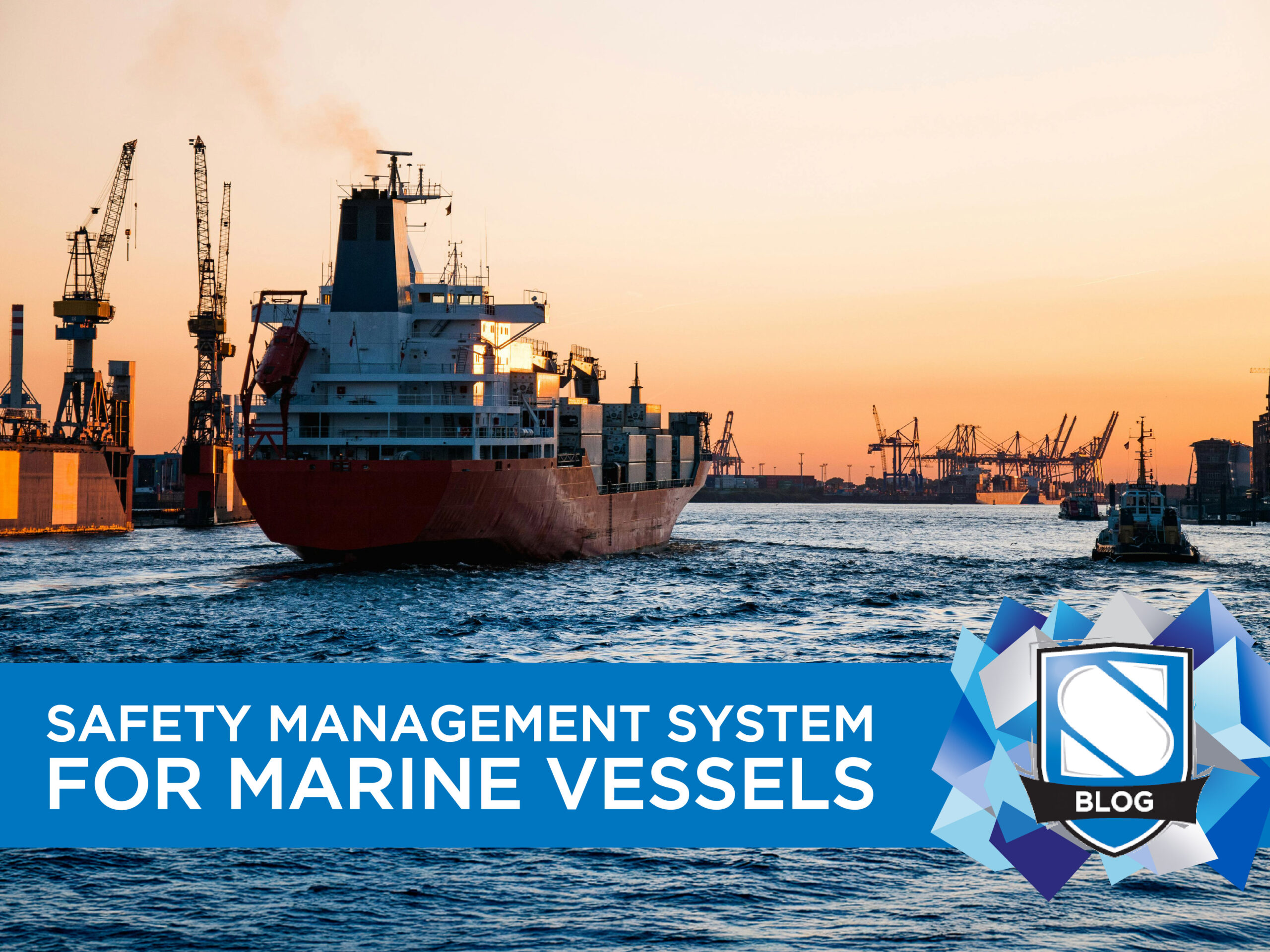
Transport Canada defines a documented Safety Management System (SMS) as: “A structured set of policies and procedures that helps you put in place safety and environmental protection practices.”
In other words, this means an SMS formalizes how a vessel owner or operator:
- Identifies and manages operational risks
- Ensures crew competence and safe work practices
- Prepares for and responds to onboard emergencies
- Embeds a strong safety culture across vessel operations
The system is intended to ensure consistent, safe, and environmentally responsible operations while both on the water and while at shore. Transport Canada notes that Ship Managers must operate vessels according to the procedures and practices outlined in the vessel’s SMS.
Canada’s Marine Safety Management System Regulations (MSMSR) aligns with international conventions such as the ISM Code (International Safety Management Code), reinforcing global standards for safe vessel operation.
Who Needs a Safety Management System?
Under the MSMSR, Canadian commercial vessels are divided into five classes, each with its own SMS requirements. In general, the regulations apply to all Canadian commercial vessels except:
- Fishing vessels 24.4 metres or less and 150 gross tonnage (GT) or less
- Vessels without mechanical propulsion that also do not carry passengers, dangerous chemicals in bulk, or oil in bulk
- Human‑powered vessels
- Inflatable vessels carrying passengers on an excursion in Canadian waters
- Pleasure craft
This means that most of the following vessel types will require an SMS:
- Passenger vessels
- Commercial fishing vessels
- Tugs and towboats
- Workboats
- Cargo vessels
The class structure (categorized as Classes 1 through 5) defines requirements based on vessel size, tonnage, passenger capacity, and use, as outlined in the regulations.
For more details on individual class regulations, visit: Marine Safety Management System Regulations
Benefits of Having a Safety Management System
An SMS offers benefits in addition to regulatory compliance:
- Increased operational consistency
- Reduced safety incidents
- Improved emergency preparedness
- Stronger environmental protection
- Increased confidence from clients, insurers, and regulators
- Transport Canada emphasizes that a documented SMS fosters a positive safety culture and improves risk management across all aspects of vessel operation.
Consequences: Failure to have a proper SMS can result in fines of up to $250,000 per day.
Additional details on what’s required of Authorized Representatives and Ship Managers, visit Transport Canada’s Safety management systems in the marine sector
More Resources for Operators of Small Vessels:
Small Vessel Operator Proficiency (SVOP)
The SVOP training course is 26 hours long, usually takes place over four days, and provides vessel operators with practical knowledge related to navigation, collision regulations, vessel handling, and operational safety for small commercial vessels.
Marine First Aid Training
Marine First Aid training ensures crew members are prepared to respond effectively to medical emergencies while operating in marine environments where immediate medical assistance may not be available.
Small Vessel Detailed Compliance Report (Voluntary)
Operators may also choose to participate in a Small Vessel Detailed Compliance Report, which provides a structured review of vessel operations and safety procedures. While voluntary, these reviews can help identify potential compliance gaps, strengthen operational practices, and support readiness for regulatory inspections.
. . .
Staebler Insurance is a general insurance broker specializing in car insurance, home insurance, small business insurance, and commercial insurance. Staebler Insurance Brokers proudly serve Kitchener, Waterloo, Cambridge, Guelph, Stratford, Listowel, Fergus, Elora, Wellington County, Perth County, Waterloo Region, the Greater Toronto Area, Golden Horseshoe, Niagara Region, and all over beautiful Ontario, Canada. Get a Quote to get started today.






0 Comments