


« Back to Fall 2026 Newsletter
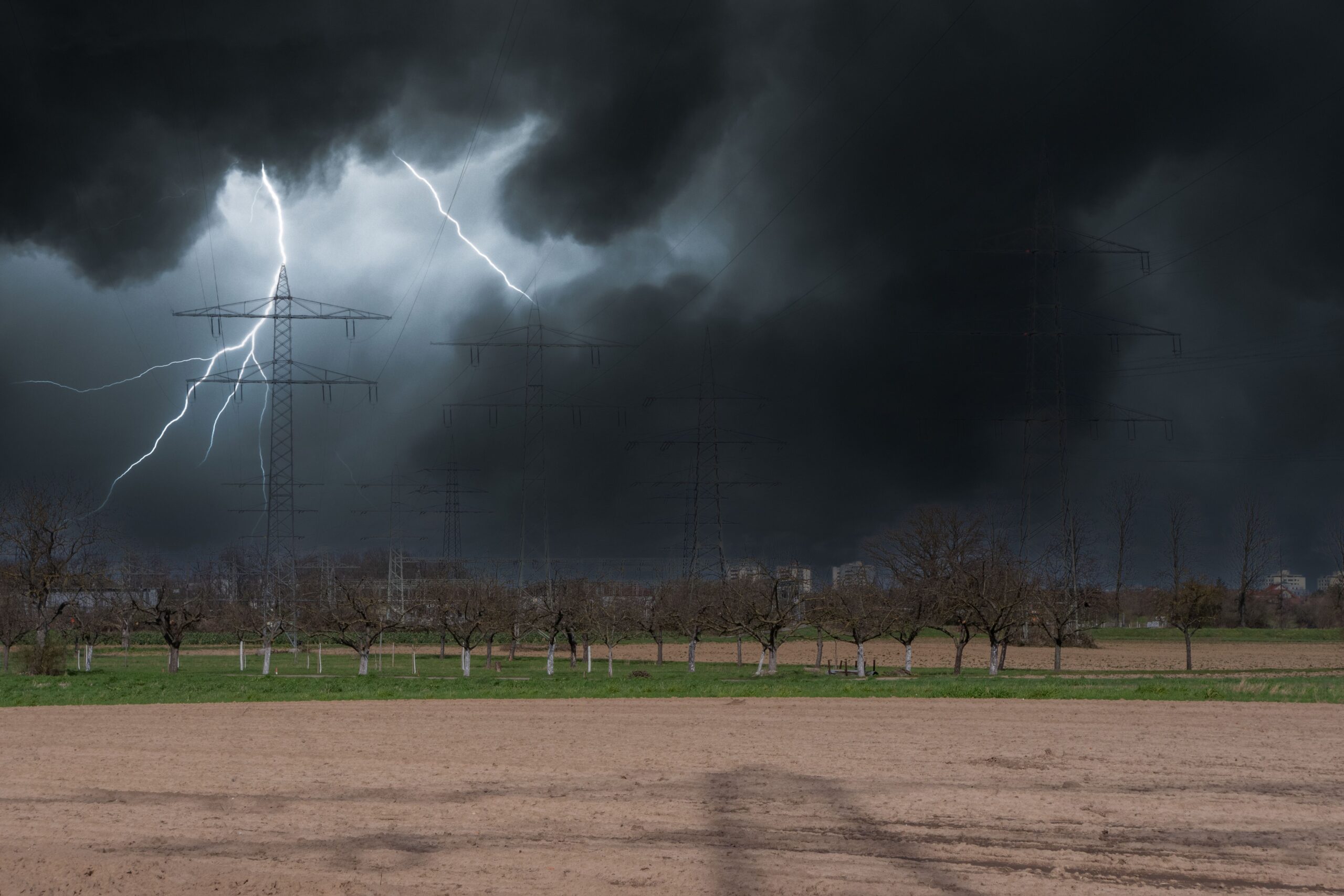
What’s up with the weather? Natural disasters – wildfires, floods, earthquakes, hurricanes, severe storms, and tornadoes are increasing in frequency and severity across North America and the world. It is now almost a daily occurrence on the news cycle that a weather-related disaster is being reported.
Canada’s Property & Casualty insurance market is undergoing rapid change after a series of high impact climate events — including the Jasper wildfires, Hurricane Debby, and multiple severe storms across the Prairies and Atlantic Canada. These events have pushed insured losses to record levels and accelerated shifts in underwriting, pricing, and risk appetite across the industry.
The impact of these catastrophic natural disasters on businesses goes far beyond physical damage as they interrupt revenue and operations, delay projects and supply chains, affect employees and customers and often have long recovery timelines. They can threaten or disrupt entire business operations.
It is essential to the risk management of any business to understand how commercial insurance responds to these occurrences.
What does your standard Commercial Property Insurance typically cover?
Most businesses carry a commercial property policy or a Business Owner’s Policy (BOP). These policies generally include protection for several natural disaster–related perils:
• Fire and smoke damage, including wildfires
• Windstorms and hail, including tornadoes
• Lightning and winter storm damage (snow/ice weight)
• Certain types of internal water damage (burst pipes, sudden leaks — not floods)
These coverages only protect buildings, equipment, inventory, and contents. Policies may also include business interruption coverage when the damage is from an insured peril.
Natural Disasters are often NOT covered by Standard Policies
Catastrophic events are usually excluded from policies unless coverage is purchased separately and often at a premium depending upon the risk.
The most catastrophic events such as floods and earthquakes are excluded from policies unless purchased separately.
Flood coverage will usually cover: Overland flooding from rainfall, river overflow, storm surge, or surface water is not included in standard commercial property insurance and will require separate flood insurance.
Earthquake damage is also excluded and must be added as an endorsement or a separate policy. The deductible on earthquake coverage is calculated as a percentage of the building’s insured value and not as a flat amount.
Flood and earthquake damage are often catastrophic and can cause the largest business losses. Often the lack of coverage is only discovered after a claim is denied!
What coverages DO Businesses have?
Wildfires are typically covered in standard commercial property insurance. This includes coverage for building damage, contents, smoke damage, and business interruption (if added).
Hurricanes & Windstorms are usually covered however, flooding caused by hurricanes is NOT and will require separate flood insurance.
Tornadoes are treated as windstorms and are generally covered. However, debris removal and business interruption provisions should be reviewed in order to ensure they are included at an adequate limit.
Severe Storms (hail, lightning, winter storms) are usually included in standard policies.
What coverages SHOULD Businesses have?
Commercial Property Insurance – This covers your physical assets such as the buildings, equipment, inventory, and furniture.
Business Interruption Insurance – This coverage reimburses lost income and operating expenses when a business must close due to a covered peril. It covers rent, payroll, temporary relocation, and ongoing expenses.
Flood Insurance – This is required for flood-prone areas; it covers rising water, storm surges, and flooding due to heavy rainfall.
Earthquake Insurance – this coverage protects against structural damage to buildings, contents, debris removal, and (if added) business interruption.
Important reminders and common coverage pitfalls
Water Damage or Flood Confusion
Water damage is usually covered if it is “sudden and unexpected “. A burst pipe is covered but rising water from outside which causes a flood is not covered without flood insurance.
Understanding this distinction is important as it can lead to many denied claims.
Aren’t “All Natural Disasters” Covered?
This is incorrect as standard policies cover some perils but exclude the most catastrophic ones.
Risks are all different
High-Risk areas may have special conditions impacting coverage and premium – Wildfire zones, coastal hurricane regions, and seismic areas may have higher deductibles or restricted coverage.
How to ensure Your Business is covered in the event of a natural disaster?
In order to stay resilient and have a robust disaster insurance strategy – coverage must include not just the standard commercial property insurance but also include business interruption coverage and flood and earthquake policies (where relevant)
• It is advised that businesses review their commercial property policies with their Broker annually
• Make sure that there is sufficient coverage for floods and earthquakes
• Update their building maintenance and fire prevention measures annually
• Document their natural disaster management strategy and all risk mitigation efforts
• Review Business Interruption limits on a yearly basis to ensure that coverage is adequate for longer recovery timelines.
• Make sure your Broker is aware and involved in your risk management strategic plan!
An up to date and modern insurance strategy is no longer optional — IT IS ESSENTIAL!






0 Comments